Click on the Edit Content button to edit/add the content.
Food
The Cultural Significance of Tripe in South Africa: A Culinary Heritage
Posted on
April 3, 2025
by
Stauri
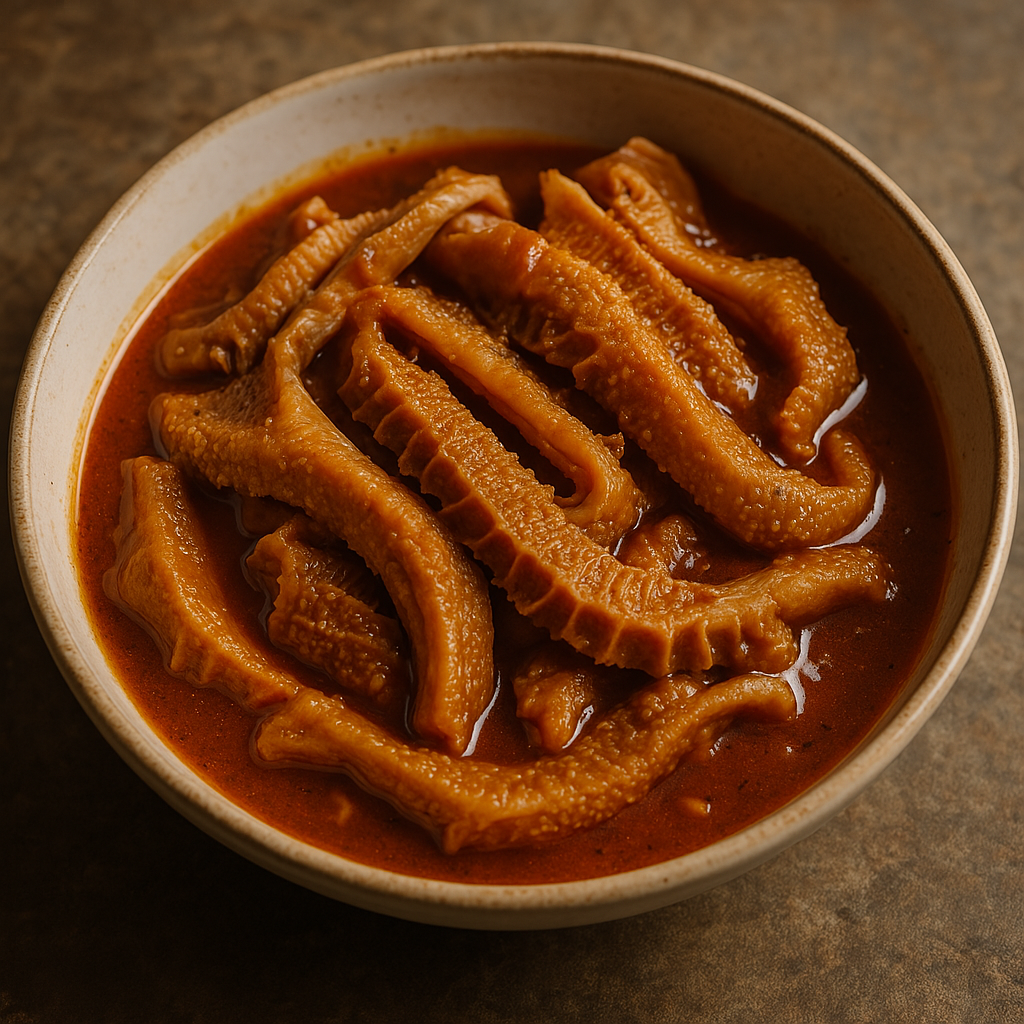
In the diverse culinary landscape of South Africa, tripe occupies a special place in the hearts and kitchens of many. Known locally as “Mogodu,” tripe is not just food; it’s a cultural artifact, woven into the fabric of South African heritage and communal life. This dish, humble yet hearty, tells stories of survival, community, and the ongoing journey of cultural identity.
Historical Roots and Cultural Significance
Tripe has been a staple in South Africa for centuries, dating back to times when indigenous tribes would use every part of the animal, wasting nothing. This practice was not only economical but also a deep expression of respect for the natural resources provided to them. As South Africa evolved, so did the role of tripe, which found its place in the pots of various cultures including the Zulu, Xhosa, and Sotho communities, among others.
In these cultures, cooking tripe is a communal activity, often prepared during large gatherings and celebrations such as weddings and funerals. The preparation process itself is considered an art, typically involving the women of the family who share techniques and stories handed down through generations. This communal cooking is more than just meal preparation; it’s a means of strengthening bonds and passing on cultural values.
Tripe Across South Africa’s Provinces
The preparation and enjoyment of tripe vary significantly across South Africa’s provinces. In the Eastern Cape, it is often cooked with tender care until it reaches a melt-in-your-mouth texture and served with samp or stiff porridge. Gauteng sees a spicier version, with plenty of onions and a curry-based broth that reflects the cosmopolitan nature of the province. Meanwhile, in the Western Cape, tripe might be infused with unique local flavors such as fennel, reflecting the culinary influence of the region’s Malay heritage.
Nutritional and Economic Impact
Tripe is not only culturally significant but also nutritious and economical. It is rich in protein and other nutrients, making it an excellent food choice for large families. Economically, tripe provides an affordable option for many households, while also supporting local butchers and farmers who play a critical role in the supply chain. This aspect of tripe consumption underscores a larger narrative of resourcefulness and sustainability within South African culinary practices.
Contemporary Relevance and Culinary Innovation
In contemporary South Africa, tripe continues to adapt and resonate with new generations. Chefs across the country are reimagining traditional recipes, incorporating modern techniques and global flavors, thus introducing it to a broader audience. This culinary evolution is celebrated in upscale restaurants and food festivals, showcasing tripe’s versatility and its ability to bridge traditional and modern gastronomy.
Moreover, the dish has transcended its cultural origins to become a symbol of national pride, enjoyed by South Africans from all walks of life. It represents a shared heritage and a common love for flavors that are distinctly South African.
Conclusion
Tripe is more than just a dish; it’s a celebration of South African culture, history, and community. As it continues to feature on dinner tables across the nation, tripe not only nourishes the body but also feeds the soul, reinforcing identities and fostering a sense of belonging. Its enduring presence in South African cuisine is a testament to the country’s rich cultural tapestry and culinary ingenuity. As South Africa moves forward, tripe remains a beloved link to its past, while simultaneously adapting to the tastes of its future.